



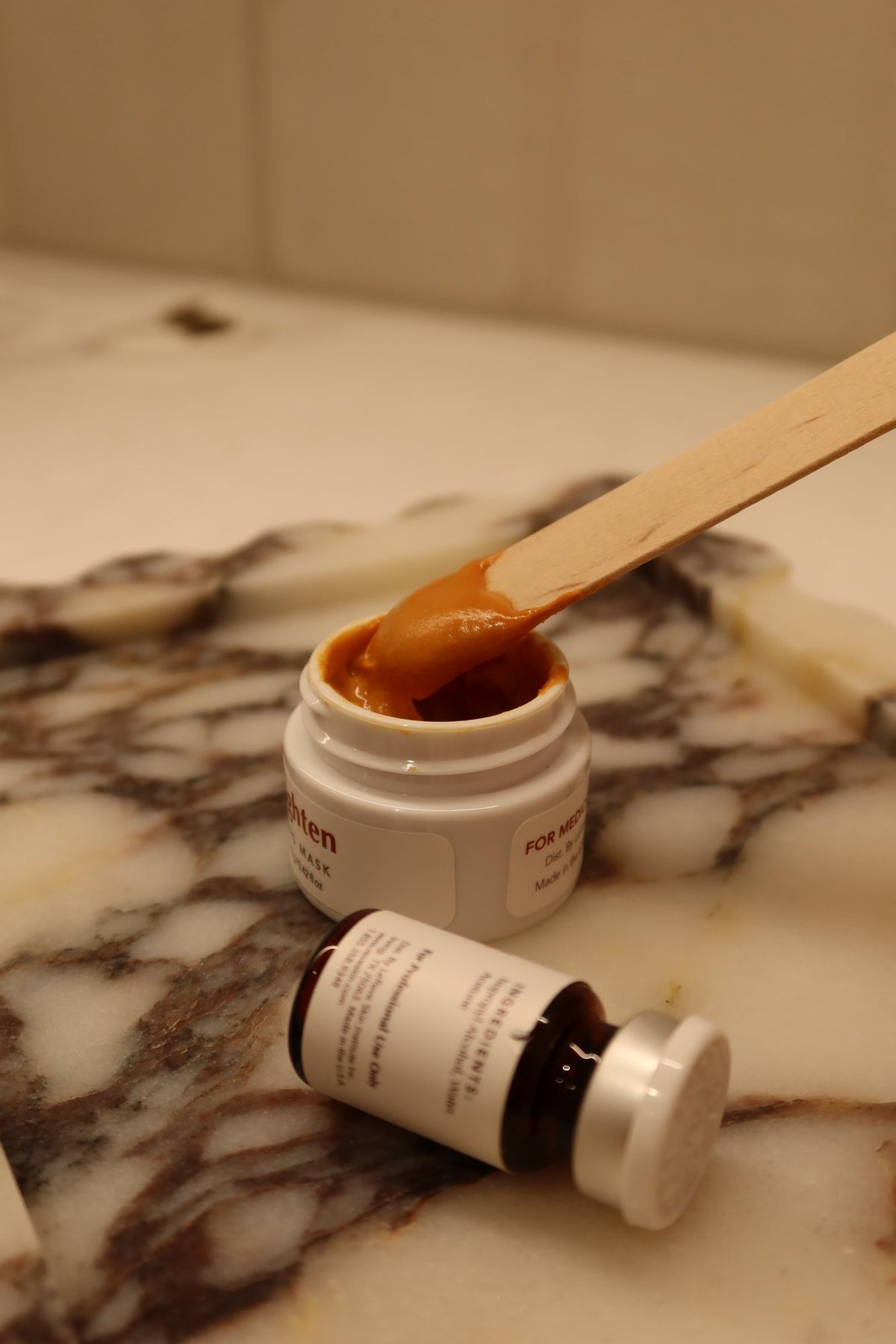
Enlighten Chemical Peel in Atlanta, GA
Uneven pigment is the concern people find hardest to shift and easiest to make worse. A medium-depth peel aimed at pigment goes further than a surface treatment and can genuinely improve tone — but it belongs inside a plan that includes topical therapy and relentless sun protection, not as a standalone fix. The honest version of this page says two things clearly: this treatment involves real peeling, and for melasma in particular the goal is management rather than cure.
The Benefits
Aimed At Pigment
It is directed specifically at pigment, combining exfoliation that clears pigment-laden cells with agents that reduce how much melanin is produced in the first place.
Reaches Deeper
Reaching the papillary dermis lets it address pigment and texture that superficial peels cannot, which matters when a surface course has plateaued.
Part Of A Plan
It works as one element of a plan alongside topical therapy and photoprotection, which is how pigment is realistically managed rather than chased.
Real Peeling
Recovery involves genuine, visible peeling over several days — stated plainly, because this is not a low-downtime treatment and planning matters.
Priming Comes First
A period of topical priming before treatment is part of the protocol, reducing melanocyte activity in advance and materially lowering the risk of a rebound.
Fewer Sessions
Meaningful change generally comes from fewer sessions than a superficial peel course requires, spaced further apart.
Managed, Not Cured
For melasma specifically it offers control rather than cure, which is the accurate framing for a chronic relapsing condition and the one that leads to better decisions.
Sun Is The Whole Game
The result depends heavily on sun protection afterward — which is genuinely within your control, and is the single largest factor in whether the improvement holds.
Real Results
Before & After
 After
After Before
 After
After Before
 After
After Before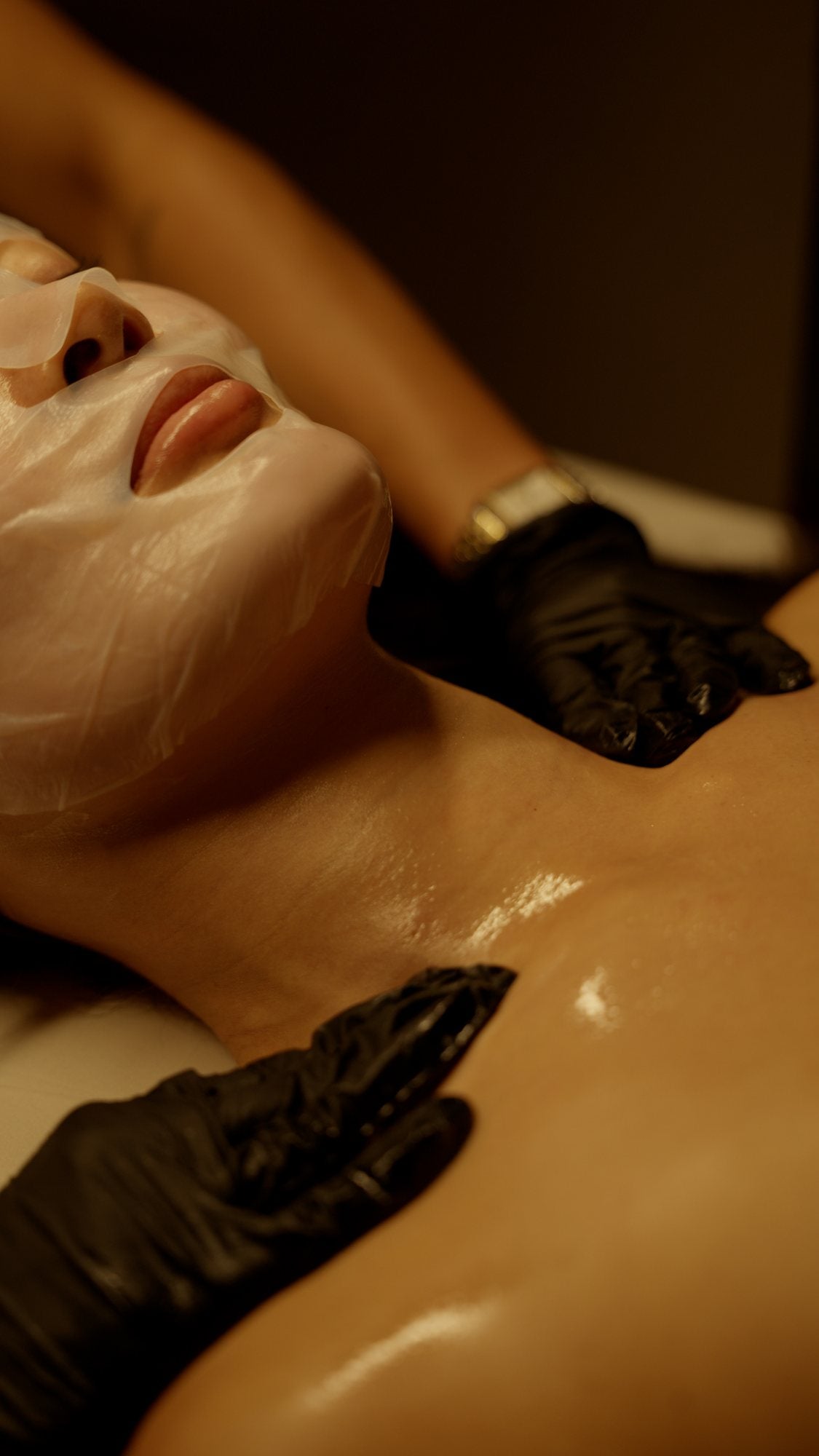
What Enlighten Chemical Peel Is
A chemical peel applies an acid solution to produce a controlled injury to a defined depth, prompting the treated layers to shed and be replaced. Peels are classified by that depth, and depth determines everything: what can be treated, how long recovery takes, and what can go wrong. A medium-depth peel passes through the epidermis and reaches the papillary dermis — the upper layer of the dermis — which is further than a superficial peel goes and considerably less far than an ablative laser.
That extra depth is what makes a pigment-directed peel useful. Pigment problems are not all at the same level. Some excess melanin sits within the epidermis, where a superficial treatment can reach it. Some sits deeper, where melanin has dropped into the dermis and been taken up by cells there, and that component is far more stubborn. Most real-world pigmentation is a mix, which is why treatment often needs more than one depth and more than one mechanism.
Peels aimed at pigment generally combine exfoliation with agents that interfere with melanin production itself. Exfoliation removes pigment-laden cells and accelerates turnover; agents acting on the melanin pathway reduce the amount being made in the first place. Which agents are used, at what concentration and pH, and for how long they are left in contact, all determine the depth and the character of the treatment — and those variables matter far more than the name on the bottle. It is entirely reasonable to ask what is being applied to your face, at what strength, and why.
One feature of this treatment deserves stating up front, because it is where expectations most often go wrong. Melasma — the symmetrical patchy pigmentation across the cheeks, forehead, and upper lip that is the commonest reason people seek this treatment — is a chronic, relapsing condition, not a stain to be removed. It is driven by ultraviolet light, by visible light, by heat, and by hormonal influences, and it recurs when those drivers continue. Treatment can improve it substantially. Treatment does not cure it, and it is characteristically worsened by inflammation and heat, which means an aggressive approach can leave you worse off than a measured one. Anyone offering to clear melasma permanently in a course of peels is not describing the condition accurately.
How It Works
Skin colour comes from melanin, produced by melanocytes in the basal layer of the epidermis and packaged into granules that are transferred to surrounding keratinocytes. Those keratinocytes migrate upward as the epidermis turns over, carrying the pigment with them until they shed. Excess pigmentation occurs when melanocytes are overstimulated — by ultraviolet light, by visible light, by heat, by inflammation, or by hormonal signals — and produce more melanin than the turnover cycle clears.
A pigment-directed peel works on both halves of that equation. The exfoliative component produces a controlled injury reaching the papillary dermis, which removes pigment-laden cells and dramatically accelerates the replacement of the epidermis, clearing pigment faster than natural turnover would. The depigmenting component acts on melanin synthesis itself, interfering with the pathway melanocytes use to produce it, so that the newly formed epidermis carries less pigment than the one it replaced.
Depth is actively controlled during treatment rather than set in advance. The practitioner watches for the visible endpoint that indicates the solution has reached the intended level and neutralizes or removes it at that point. Because several variables interact — agent, concentration, pH, skin preparation, number of layers, contact time, and the condition of the barrier on the day — a medium-depth peel demands more judgment than a superficial one, and this is not a treatment where more is straightforwardly better.
The complication that shadows this entire treatment is the one it is meant to fix. Inflammation stimulates melanocytes. A peel is a controlled inflammatory injury. Applied appropriately to prepared skin with rigorous sun protection afterward, that injury clears more pigment than it provokes. Applied too aggressively, to unprepared skin, or followed by sun exposure, it can produce more pigment than it removed — which is the mechanism behind rebound hyperpigmentation after peels, and why the risk is highest in exactly the deeper skin tones most likely to seek treatment for pigment.
This is why priming matters. A period of topical preparation before the peel — typically weeks — is used to reduce melanocyte activity in advance, so the skin enters treatment less primed to overproduce. It is a genuine part of the protocol rather than an upsell, and skipping it materially raises the risk.

What Enlighten Chemical Peel Treats
Melasma
The condition most associated with this treatment. Peels form one part of a management plan alongside topical therapy and rigorous photoprotection. The realistic goal is meaningful improvement and control, not cure, and an aggressive approach can worsen it.
Post-inflammatory hyperpigmentation
The brown marks left after acne, injury, or inflammation. These often respond well, though the underlying cause must be controlled first — treating pigment while inflammation continues simply produces more of it.
Sun-related pigmentation and uneven tone
Diffuse mottled pigment from accumulated sun exposure. This is generally more responsive than melasma and is a common reason for a course.
Solar lentigines and discrete dark spots
Individual flat brown spots from sun exposure often respond, though targeted treatments sometimes address them more efficiently. What matters is that a spot is confirmed benign before it is treated cosmetically.
Moderate surface texture and photodamage
The extra depth improves texture as well as tone, since the two usually accompany each other in sun-damaged skin.
Dullness and rough texture that superficial peels have not resolved
Where a course of surface treatment has plateaued, going deeper is a reasonable next step — provided the concern actually sits deeper rather than needing something other than a peel.
Fine lines associated with sun damage
Superficial etched lines can soften as the upper dermis is remodeled. Deep lines and atrophic scarring sit lower and are not what this treats.
Not undiagnosed pigmented lesions
Listed deliberately. Any pigmented lesion that is new, changing, irregular, or asymmetric needs medical assessment before any cosmetic treatment is applied to it — treating over a lesion rather than diagnosing it is a serious error.
Is Enlighten Chemical Peel Right For You?
You May Be A Good Candidate If
- Adults with sun-related pigmentation, post-inflammatory hyperpigmentation, or melasma who understand that this is one part of a longer plan rather than a standalone fix.
- People who have completed, or will complete, a period of topical priming before treatment, since that preparation materially reduces the risk of a pigmentary rebound.
- People who can take several days of genuine, visible peeling and plan the appointment around it.
- People committed to daily broad-spectrum sun protection indefinitely — including protection against visible light where melasma is the concern — rather than for a fortnight afterward.
- People whose underlying cause of pigmentation has been addressed where it can be, since treating pigment while inflammation or a hormonal driver continues produces limited and short-lived results.
- People whose superficial peel course has plateaued and whose concern genuinely sits deeper.
- People with realistic expectations, particularly about melasma, where meaningful improvement and control is the goal rather than clearance.
- People in generally good health with no active skin condition in the treatment area.
This May Not Be Right For You If
- Anyone with an undiagnosed pigmented lesion in the treatment area. Anything new, changing, irregular, or asymmetric needs medical assessment before any cosmetic treatment — this comes before every other consideration on this list.
- Anyone with an active skin infection, an open lesion, or an active herpes simplex outbreak in the area. Antiviral prophylaxis before a medium-depth peel is standard.
- Anyone with recently tanned or sunburned skin, from sun or from self-tanner. Treating skin with recently increased melanin substantially raises pigmentary risk, and the appointment should be rescheduled.
- Anyone currently taking isotretinoin, or who has recently completed a course, without a decision from the prescribing clinician about timing.
- Anyone with a history of keloid or hypertrophic scarring, where deeper injury carries real risk of producing exactly that.
- Anyone with an active inflammatory skin condition in the area — eczema, psoriasis, or rosacea in flare — until it is controlled.
- Anyone who is pregnant, trying to conceive, or breastfeeding. Medium-depth peels are deferred, several depigmenting agents are specifically avoided, and melasma driven by pregnancy often improves on its own afterward.
- Anyone with a known allergy to a component of the peel solution.
- Anyone who has recently had waxing, laser hair removal, or another resurfacing treatment in the area, where the barrier is already disrupted and the peel will reach deeper than intended.
- Anyone with poorly controlled diabetes, immunosuppression, or another condition that materially impairs wound healing.
- Anyone with a history of vitiligo or another condition of pigment loss, where injury can trigger new patches.
- Anyone unwilling or unable to commit to sun protection. This is not a formality here — without it the treatment is likely to leave you no better and possibly worse.
- Anyone expecting a permanent cure for melasma, which no treatment provides.
Two things should happen at this consultation before anything else. First, any pigmented lesion that is new, changing, irregular, or asymmetric must be assessed medically rather than treated cosmetically. Second, the type of pigmentation should be identified — melasma, post-inflammatory pigmentation, sun-related lentigines, and combinations of them behave differently and are managed differently, and treating them as one problem is how courses fail. A licensed provider should assess your skin type and pigmentary risk specifically, explain the priming period and why it matters, take a medication and hormonal history including oral contraception, and be candid that for melasma the goal is control rather than cure. If sun protection is not discussed at length, that is a reason to pause.
How Enlighten Chemical Peel Compares
Pigment can be approached at several depths and by several mechanisms, and the wrong choice can make things worse rather than merely failing. The table sets out the main options.
| Feature | Medium-depth pigment peel | Superficial peel | Topical therapy | Energy-based pigment treatment |
|---|---|---|---|---|
| Depth reached | Epidermis into the papillary dermis | Within the epidermis | Epidermis, with sustained daily action | Varies by device; some reach the dermis |
| Mechanism | Exfoliation plus agents that reduce melanin production | Exfoliation that clears surface pigment | Interferes with melanin synthesis over time | Energy absorbed by melanin, fragmenting pigment |
| Role in a plan | A periodic intervention within an ongoing plan | Maintenance and mild surface pigment | The foundation — what actually holds a result | Targeted treatment, with real caution in melasma |
| Typical downtime | Several days of visible peeling and redness | Mild redness and light flaking, sometimes none | None, beyond occasional irritation | Varies; often darkening then flaking of treated spots |
| Suitability for melasma | Used within a plan, with priming and caution | Adjunctive; limited on its own | First-line and essential | Requires real expertise; heat can worsen melasma |
| Considerations in deeper skin tones | Higher risk of pigmentary rebound; priming and conservative depth are essential | Generally suitable with appropriate agent selection | Generally suitable and the safest starting point | Requires significant caution with several device types |
| Sessions needed | Fewer, spaced further apart | A series, repeated regularly | Ongoing, indefinitely | Varies by device and indication |
| Main limitation | Real downtime, and the risk of provoking the problem it treats | Limited depth | Slow, and requires daily consistency | Heat and inflammation can worsen melasma specifically |
The important point across this table is that no procedure holds a pigment result on its own. Daily topical therapy and rigorous photoprotection are what maintain it, and procedures accelerate progress within that framework. For melasma in particular, the least aggressive approach that works is usually the right one, because the condition is provoked by exactly the inflammation and heat that aggressive treatment produces.
What To Expect
Before The Treatment
- Medical assessment of any pigmented lesion that is new, changing, irregular, or asymmetric, before any cosmetic treatment is applied to the area.
- Identification of what type of pigmentation you actually have, since melasma, post-inflammatory pigmentation, and sun-related pigment behave differently and are managed differently.
- A period of topical priming before the peel — typically several weeks — intended to reduce melanocyte activity in advance. This is part of the protocol, and skipping it materially raises the risk of a pigmentary rebound.
- A full medical, medication, and hormonal history, including oral contraception and hormone therapy, since both influence melasma.
- Direct questions about isotretinoin, cold sores, keloid tendency, recent sun exposure, recent waxing or hair removal, active skin conditions, and pregnancy.
- Antiviral medication prescribed to start before treatment.
- Strict instructions to avoid sun exposure and all self-tanning products beforehand. Recently tanned skin means rescheduling rather than proceeding.
- Instructions to stop retinoids and exfoliating acids for a specified period beforehand, and to avoid waxing, threading, and hair removal in the area.
- A realistic account of the peeling phase so the appointment can be scheduled around it, and a written aftercare protocol in hand before the day.
Results: Onset And How Long It Lasts
The visible sequence runs through worse before better. The first day or two brings redness, tightness, and heat; over the following days the treated skin peels visibly, and it is common for pigmentation to look temporarily darker or more defined before it sheds. Once the peeling has completed, most people see clearer, more even tone and improved texture, and the result continues to refine over the following weeks. For sun-related pigmentation and post-inflammatory marks, improvement is often substantial. For melasma the picture is more measured: meaningful improvement is realistic, clearance generally is not, and the condition will return if its drivers — ultraviolet light, visible light, heat, and hormonal influence — continue unchecked. That is the nature of a chronic relapsing condition rather than a failure of the treatment. What most determines whether an improvement holds is what happens afterward: daily topical therapy and rigorous photoprotection are what maintain the result, and a peel course followed by unprotected sun exposure will not merely fade, it can leave the pigmentation worse than before. Response varies with skin type, the type and depth of the pigmentation, whether the skin was primed, the agent and concentration used, and sun discipline. This page publishes no numeric outcome figures, because formulations and protocols vary too widely for averages to say anything about your own skin.
During The Treatment
- The skin is cleansed thoroughly and degreased, which matters because residual oil affects how evenly and how deeply the solution penetrates.
- The solution is applied in controlled layers, with the practitioner watching closely for the visible endpoint indicating the intended depth has been reached.
- You will feel warmth building to a distinct stinging or burning sensation, more intense than a superficial peel and typically peaking within the first minutes before easing. A fan is generally used, and the sensation is time-limited.
- Depth is controlled actively during the treatment — the number of layers, the contact time, and the endpoint are all judged as it proceeds rather than set in advance.
- The solution is neutralized or removed at the chosen endpoint, and soothing products and sun protection are applied afterward.
- The appointment is short relative to its effect; the peel itself is a matter of minutes.
- Immediately afterward the skin will look red and feel tight and hot, and may show frosting or a whitish appearance depending on the agent used, which is an expected endpoint rather than a problem.
How Often, And Why
Medium-depth peels are done less often and spaced further apart than superficial ones. A course typically involves a small number of treatments separated by intervals of weeks to months, with the interval allowing the skin to fully recover and the result to declare itself before any decision about repeating. Assessing too early, or repeating before recovery is complete, accumulates inflammation in skin whose central problem is being provoked by inflammation.
Priming before treatment and topical therapy afterward are not bracketing details — they are the spine of the plan. A peel accelerates progress; daily topical therapy and photoprotection are what hold it. In practice, most of the work of managing pigmentation happens between appointments rather than at them, and someone who treats the peel as the treatment and the topicals as an accessory has the relationship backwards.
For melasma specifically, this is ongoing management rather than a course with an endpoint. The condition is chronic and relapsing, driven by ultraviolet light, visible light, heat, and hormonal influences that do not stop because a course finished. Maintenance typically means continuous topical therapy and photoprotection with periodic procedural treatment when indicated, and periods of relapse — particularly through summer or with a hormonal change — are expected rather than a sign that treatment failed.
Where pigment treatment sits alongside other procedures, spacing matters more than usual, since heat and inflammation from any source can provoke the problem being treated. That sequencing is decided at consultation rather than assembled appointment by appointment.
Afterward
- Expect redness, tightness, and heat for the first day or two, similar to a sunburn.
- Expect visible peeling to begin within a few days and continue for several — this is genuine sheeting or flaking rather than the light dusting a superficial peel produces. Plan for it.
- Do not pick, pull, or exfoliate peeling skin under any circumstances. Pulling skin away before it is ready is the most reliable way to produce a mark, a patch of pigment change, or a scar that outlasts the peel.
- Follow the cleansing and moisturizing protocol exactly. Bland products, gentle handling, and generous moisturizer are what this skin needs.
- Take the antiviral medication as prescribed for the full course.
- Avoid all retinoids, exfoliating acids, vitamin C, benzoyl peroxide, and scrubs until your provider clears you to resume.
- Use broad-spectrum sunscreen daily and avoid sun exposure entirely while healing. Where melasma is the concern, protection against visible light matters as well as against ultraviolet — ask specifically what to use, since not all sunscreens address it.
- Avoid saunas, steam rooms, hot tubs, heavy sweating, and other sources of heat for the period specified. Heat is a driver of melasma, not merely an irritant.
- Avoid makeup until your provider clears you, then reintroduce it gradually.
- Resume the topical therapy you were primed with on the schedule you are given. The peel accelerates progress; the topicals are what hold it.
- Report anything worsening rather than settling — spreading redness, increasing pain, pus, fever, or skin darkening markedly as it heals.

How Much Does Enlighten Chemical Peel Cost in Atlanta, GA?
- What it is priced by: Per treatment
- Typical cost: $900
- Good to know: Sold as a 28-day resurfacing course.
The figure above is a starting point, not a quote. What you pay depends on how much product your anatomy actually needs, which is a clinical judgement made in person. Ask at your consultation.
Side Effects And Downtime
Common And Expected
- Redness, tightness, and heat for the first day or two, similar to a sunburn
- Visible peeling or sheeting of the skin beginning within a few days and lasting several
- Pigmentation looking temporarily darker or more sharply defined before it sheds
- A frosted or whitish appearance immediately after application, depending on the agent used
- Dryness and a tight, uncomfortable feeling during the peeling phase
- Itching while healing, which must not be scratched
- Temporary sensitivity to skincare products and to sun
- Mild swelling in the first day, particularly around the eyes
- Small blemishes or milia appearing during the healing phase
When To Seek Care
- Signs of infection: increasing rather than decreasing pain, spreading redness, warmth, worsening swelling after the first days, pus or discharge, an unpleasant odor, or fever.
- An outbreak of small painful blisters or erosions across the treated area, which may indicate herpes reactivation and needs urgent treatment to prevent scarring.
- Severe or worsening pain out of proportion to what you were told to expect.
- Any area that ulcerates, turns dark or grey, blisters, or fails to heal within the expected window.
- Skin darkening markedly as it heals rather than clearing, which may indicate a pigmentary rebound and should be addressed early rather than waited out.
- A raised, firm, or thickening area developing in the treated skin, which should be assessed early rather than watched.
- A spreading rash, marked itching, or swelling, which may indicate an allergic reaction to the solution or to an aftercare product.
- Signs of a serious allergic reaction — hives, swelling of the face, lips, tongue, or throat, or difficulty breathing. Call 911.
- Any concern during the first week. Providers expect these calls, and early recognition keeps a problem small.
Less Common, But Important To Know
- Post-inflammatory hyperpigmentation, or rebound darkening — the central risk of this treatment, and the one it is meant to address. It is provoked by inflammation and by sun exposure, is substantially more likely in deeper skin tones, and is largely managed through priming, conservative depth, and rigorous photoprotection.
- Worsening of melasma, which is characteristically aggravated by inflammation and heat. An overly aggressive approach can leave the condition worse than before treatment.
- Hypopigmentation — persistent lightening of treated skin — which is a recognized risk at medium depth and is difficult to reverse.
- A demarcation line between treated and untreated skin, most visible at the jawline or hairline.
- Infection, bacterial, viral, or fungal, since the barrier is substantially disrupted. Any sign of it needs prompt attention.
- Reactivation of herpes simplex producing a widespread outbreak across peeling skin, which is why antiviral prophylaxis is standard and the full course should be completed.
- Scarring, including hypertrophic scarring, more likely where healing is disrupted by picking or infection, or in anyone predisposed to it.
- An unexpectedly deep peel from application over a compromised barrier — after recent hair removal, another treatment, or on inflamed skin — producing more injury than intended.
- Prolonged redness lasting well beyond the expected window.
- Allergic or irritant contact reaction to the solution or to a product used during recovery.
- Delayed healing in smokers, in poorly controlled diabetes, and in anyone whose immune function or circulation is impaired.
Downtime
This is a treatment with genuine downtime and it should be planned for accordingly. Expect a day or two of redness, tightness, and heat like a sunburn, then several days of visible peeling — real sheeting or flaking rather than the light dusting a superficial peel produces. During that phase you will look like you are peeling, because you are, and makeup is unavailable until you are cleared. It is also common for the pigmentation you are treating to look temporarily darker before it sheds, which is expected but unsettling if nobody warned you. The instructions that matter most are simple and non-negotiable: do not pick at anything, moisturize generously, stay out of the sun completely, and avoid heat — saunas, steam, hot tubs, and heavy sweating — since heat is a driver of melasma rather than merely an irritant. Book this with a clear week and well away from anything you want to look well for, and ideally in a season when staying out of the sun is realistic.
Who Performs This Treatment

Brianna Harris
Aesthetician · Facials, peels, microneedling and resurfacingBrianna is one of Alcove's aestheticians. Every treatment starts with a look at your skin and what you want from it, and your plan, including what you use at home, is built from there.

Shaina Paul
Aesthetician · Facials, peels, microneedling and resurfacingShaina is Alcove's aesthetician. Every treatment starts with a look at your skin and what you want from it, and your plan, including what you use at home, is built from there.
Enlighten Chemical Peel FAQs
No, and any provider who says otherwise is not describing the condition accurately. Melasma is chronic and relapsing, driven by ultraviolet light, visible light, heat, and hormonal influences. Treatment can improve it substantially and keep it controlled, but those drivers continue and the pigment returns when they are not managed. The realistic framing is ongoing management rather than a course with a finish line.
Genuine, visible peeling over several days — sheeting or flaking rather than the light dusting a superficial peel produces. You will look like you are peeling, and makeup is unavailable until you are cleared. Book this with a clear week and well away from anything you want to look well for.
That is expected during the peeling phase and usually unsettling if nobody has mentioned it. The treated pigment often looks temporarily darker or more sharply defined before it sheds. What needs watching is different: skin that continues darkening as it heals rather than clearing may indicate a pigmentary rebound, and that should be reported early rather than waited out.
Because priming reduces melanocyte activity in advance, so your skin enters treatment less primed to overproduce pigment in response to the inflammation the peel creates. It materially lowers the risk of a rebound, which is the central complication of this treatment. It is a genuine part of the protocol, not an upsell, and skipping it raises your risk.
It requires real care rather than being ruled out — and there is an uncomfortable irony here, since the risk of pigmentary rebound is highest in exactly the skin tones most likely to seek treatment for pigment. Priming, conservative depth, appropriate agent selection, and rigorous photoprotection are how that risk is managed. A provider who proposes an aggressive peel without discussing any of that is not managing it.
More than a superficial peel. You will feel warmth building to a distinct stinging or burning sensation, typically peaking within the first minutes before easing, and a fan is generally used for comfort. It is time-limited and most people find it entirely bearable. Afterward it feels like a sunburn for a day or two.
Fewer than a superficial peel course, spaced further apart — typically a small number of treatments separated by weeks to months. That interval allows the skin to fully recover and the result to declare itself before deciding whether to repeat. For melasma, treatment is better understood as periodic within ongoing management than as a fixed course.
Yes, and more than for most treatments. Sun exposure on freshly peeled skin is the single most reliable way to convert an improvement into a worsening. For melasma specifically, visible light matters as well as ultraviolet, so ask what to use rather than assuming any sunscreen covers it. Without sun discipline this treatment is likely to leave you no better and possibly worse.
No. Medium-depth peels are deferred in pregnancy and breastfeeding, and several depigmenting agents are specifically avoided. Melasma driven by pregnancy also frequently improves on its own in the months afterward, so waiting is often the right clinical answer rather than merely the cautious one.
Different mechanism, different risk profile. A peel produces a chemical injury to a controlled depth and clears pigment by turnover, alongside agents that reduce melanin production. Energy-based treatments deliver energy absorbed by melanin itself. For melasma, energy treatments require significant caution because heat is one of the condition's drivers — which is not a reason to rule them out, but is a reason for expertise.
That depends on the type and on what happens next. Sun-related pigmentation returns with further sun exposure. Post-inflammatory pigmentation returns if the underlying inflammation is not controlled. Melasma relapses by nature, particularly through summer and with hormonal changes. Ongoing topical therapy and photoprotection are what hold a result — the procedure accelerates progress, the daily routine maintains it.
Not until it has been assessed medically. Any pigmented lesion that is new, changing, irregular, or asymmetric needs a proper diagnosis before any cosmetic treatment is applied to it. Treating over a lesion rather than diagnosing it is a serious error, and it comes before every other consideration in this treatment.
Pairs Well With

Book Your Consultation
A consultation is a conversation about your face, not a sales appointment. Bring your questions about Enlighten Chemical Peel and your medical history, and leave with an honest answer about whether it is the right treatment for you.