



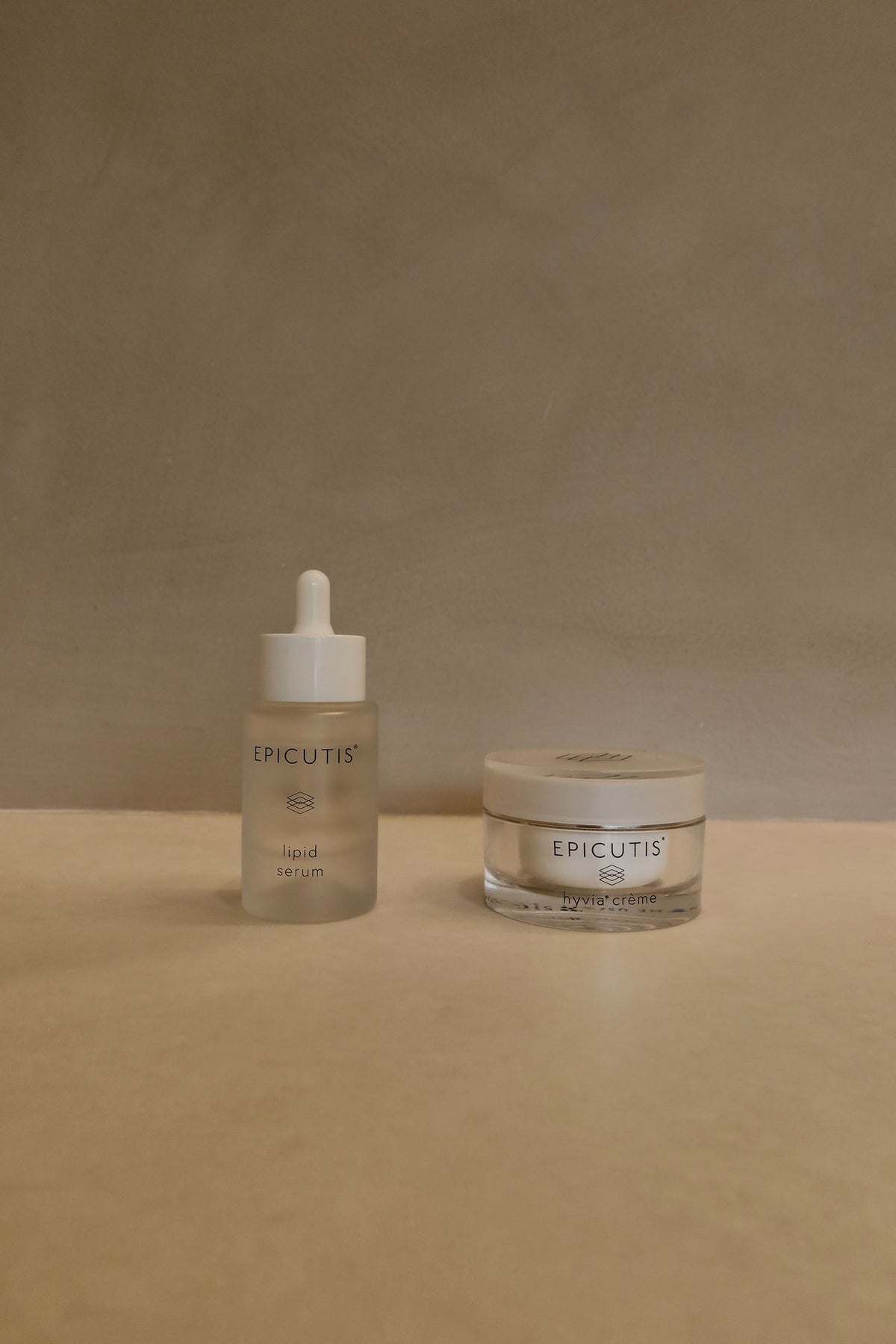
Medical-Grade Facial in Atlanta, GA
Medical-grade is a phrase with no legal definition, which is worth knowing before it is used to sell you anything. What genuinely separates a clinical facial from a spa one is not the label — it is who performs it, what they are permitted to use, whether a prescriber is available, and whether anyone would recognize a reason not to proceed. Those things are real and they matter. This page explains what they actually get you, and what they do not.
The Benefits
Medical Setting
It is performed in a medical practice by a trained provider working under medical oversight, which changes what can be used safely and who is accountable for it.
Stronger Formulations
Products and devices available in this setting reach concentrations and strengths that retail and spa treatments cannot, including prescription-strength agents where a prescriber is involved.
Trained Assessment
An assessment of your skin and your medical history precedes the treatment, so the plan reflects what your barrier will actually tolerate on the day.
Escalation Available
Where a facial is not the right answer, there is somewhere to escalate — a prescription for acne, a referral for a lesion, or a procedure that reaches deeper.
Contraindications Caught
Contraindications are more likely to be identified, because history is taken and reviewed rather than a form being collected.
Part Of A Record
Treatment becomes part of a record, so what was used and how your skin responded informs the next appointment rather than being forgotten.
Results You Can Feel
The immediate result is genuine — brighter, smoother skin the same day — and the cumulative result from regular treatment is better texture, less congestion, and a barrier that behaves.
The Term Means Little
The phrase medical-grade itself has no regulatory definition and guarantees nothing; what matters is the setting, the training, and the oversight behind it, which is why those are worth asking about directly.
Real Results
Before & After
 After
After Before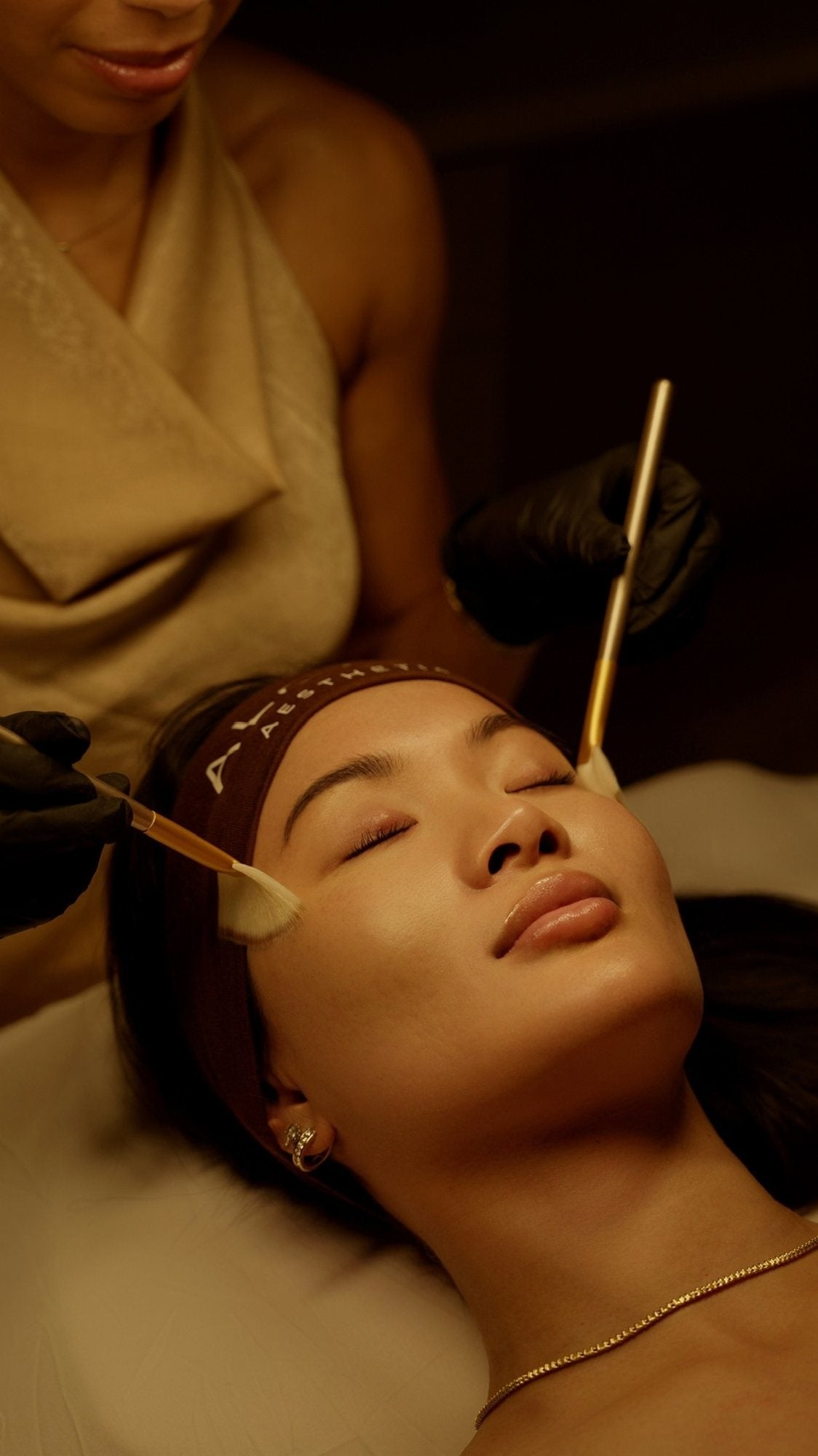
What Medical-Grade Facial Is
A medical-grade facial is a professional skin treatment performed in a medical practice, typically by a licensed aesthetician or nurse working under medical oversight, using products and devices at strengths not available in a retail or spa setting. That is the substance behind the phrase.
It is worth being direct about the phrase itself. Medical-grade has no regulatory definition in the United States. There is no standard a product must meet to be described that way, and no body certifies it. In skincare the term is used loosely to mean formulations sold through professional channels, often at higher active concentrations, sometimes with better-supported ingredient science — but none of that is guaranteed by the words. Anyone can print them on a bottle.
What does carry real meaning is the setting and the training. In a medical practice, treatments can be performed at strengths that require someone trained to judge a skin barrier and to recognize when to stop. Prescription-strength agents can be used where a prescriber is involved. Contraindications are more likely to be identified, because a medical history is taken and reviewed rather than a form being filed. If something goes wrong, or if what you actually need is a prescription rather than a facial, there is somewhere for that to go.
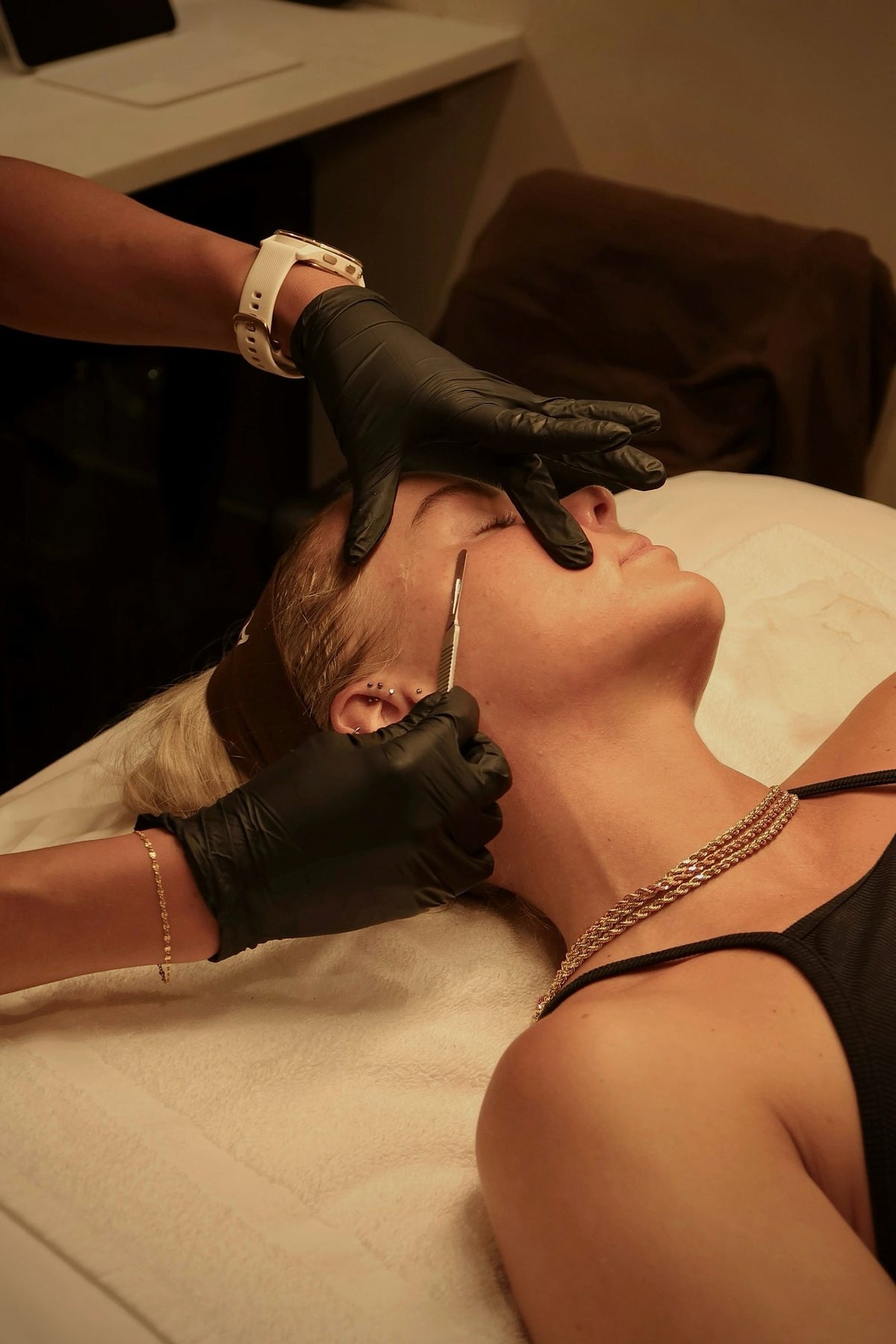
The treatment itself draws on the same modalities as any clinical facial: deep cleansing, professional exfoliation, extraction, dermaplaning, targeted serums, masks, light-based treatment, and finishing products with sun protection. The specific combination used in your appointment is determined by the provider based on an assessment of your skin, and it is entirely reasonable to ask what is being applied and why.
What this treatment does not do is change facial structure. It works at and near the surface, on how skin looks and behaves. Deep lines, atrophic scarring, laxity, and volume loss sit beyond its reach regardless of how the treatment is labelled — and a facial described in medical language is still a facial. Where the medical setting genuinely earns its keep is in the strength of what can safely be used, in the assessment behind it, and in having somewhere to escalate when a facial is not the answer.
How It Works
The mechanism of any clinical facial rests on the same skin biology. The stratum corneum is made of dead keratinocytes that shed continuously as new cells arrive from below, with the epidermis turning over across a cycle of several weeks. That cycle slows with age and is disrupted by sun damage, dehydration, and inflammation. When shedding slows, cells accumulate — scattering light, roughening texture, and making it harder for anything applied topically to penetrate.
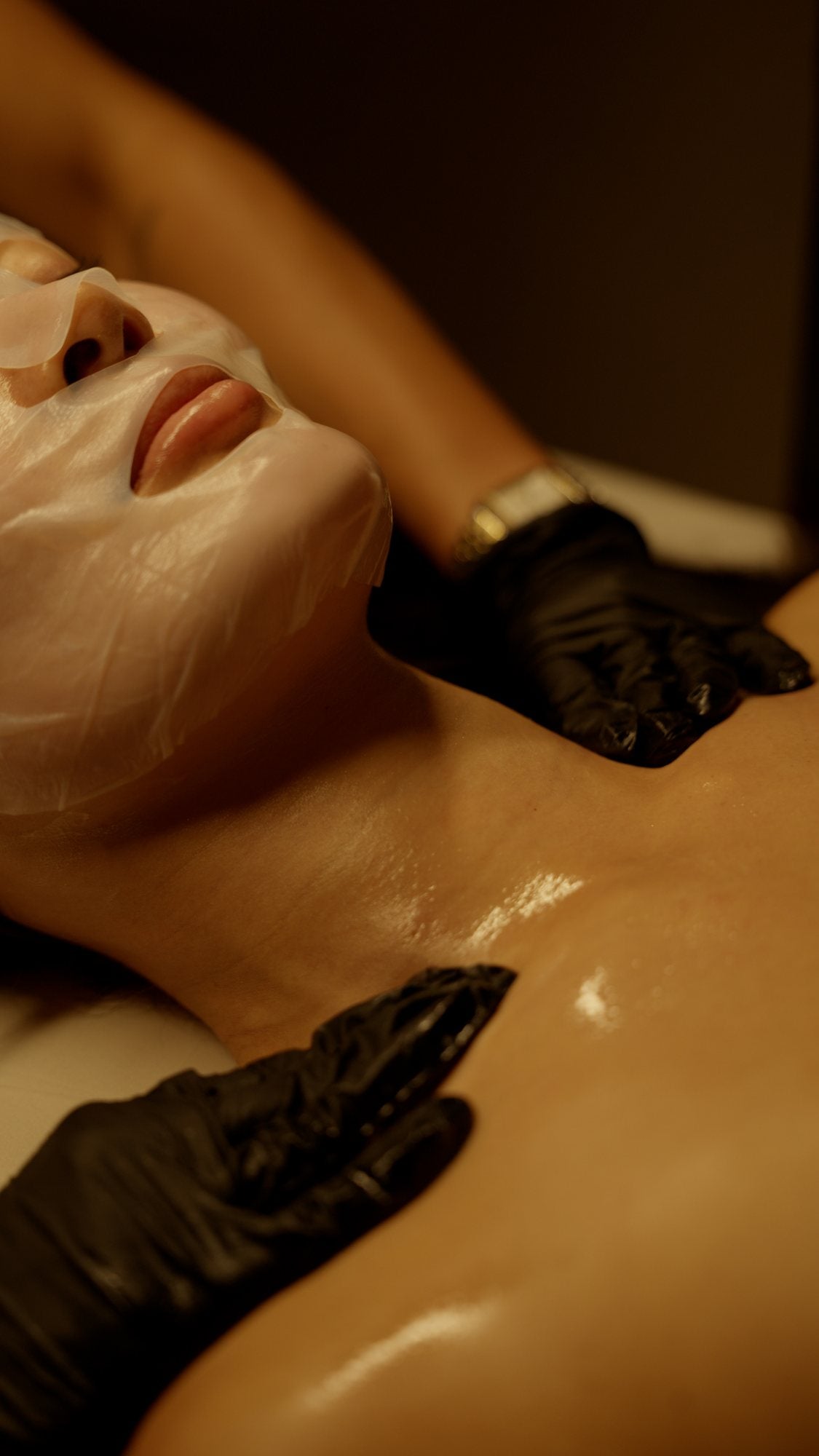
Professional exfoliation intervenes at strengths that are not available over the counter, using chemical agents that loosen the bonds between surface cells or physical methods that remove them. The strength that can be used safely depends on the state of the barrier, which is why assessment precedes treatment rather than following it. Sequencing then determines how much of the rest works: products applied to freshly exfoliated skin reach further than they would through an accumulated layer, and skin softened appropriately before extraction releases congestion without trauma to surrounding tissue.
What the medical setting adds is not a different biology but a wider range and a safety margin. Higher active concentrations can be used where the skin will tolerate them. Prescription-strength agents become available where a prescriber is involved. Devices requiring medical oversight can be incorporated. And, importantly, the same appointment can conclude that a facial is the wrong treatment — that what you actually need is a prescription for your acne, a dermatology referral for a lesion, or a procedure that reaches deeper than any facial does.
That last function is underrated and is the strongest argument for the setting. A great deal of what walks into a facial appointment is not a facial problem. Persistent cystic acne needs medical treatment. Melasma needs a considered plan rather than repeated surface treatment. An irregular pigmented lesion needs a diagnosis before anything cosmetic touches it. Recognizing these and routing them appropriately requires someone trained to notice, and somewhere to send you.
One caution follows from the added strength. Stronger is not automatically better, and a treatment escalated beyond what a barrier can tolerate produces irritation, post-inflammatory pigmentation, and a longer recovery — not a faster result. A well-run medical facial is one that uses its range judiciously, including downward.

What Medical-Grade Facial Treats
Dullness and poor light reflection
The most reliably improved concern. Professional exfoliation removes accumulated surface cells at strengths a home routine cannot reach, which changes how skin reflects light.
Congestion, blackheads, and clogged pores
Correct extraction, performed on properly prepared skin by someone trained to know which lesions to leave alone, achieves what home squeezing does not — and without the marks it causes.
Rough or uneven surface texture
Professional-strength exfoliation, chosen for what the barrier will tolerate on the day rather than applied at a fixed strength.
Uneven tone and superficial pigmentation
Surface pigment often improves with accelerated turnover and targeted actives. Deeper pigment and melasma need a different depth and a different plan, and should be identified as such rather than treated repeatedly with a facial.
Dehydration and a compromised barrier
A properly assessed treatment for a damaged barrier is a calming and repairing one, with exfoliation reduced or dropped. Recognizing when to do less is the clinical part of the job.
Mild breakouts and post-inflammatory marks
Mild acne and the flat marks left behind respond to professional treatment. Moderate to severe or cystic acne is a medical problem requiring prescription treatment, and the medical setting is useful precisely because that conversation can happen.
Skin maintenance between procedures
Keeping the barrier in good condition between more substantial treatments makes those treatments safer and more effective, and is one of the better uses of a regular facial.
Not deep lines, scarring, laxity, or volume loss
Listed deliberately. A facial performed in a medical practice is still a facial, and none of these are within its range.
Is Medical-Grade Facial Right For You?
You May Be A Good Candidate If
- Adults who want a professional skin treatment aimed at quality — dullness, congestion, texture, tone, hydration — performed somewhere with medical oversight.
- People with a medical history, a medication list, or a skin condition that makes it useful to be treated by someone who will take those into account rather than filing a form.
- People whose skin has reacted badly to treatment before, where a properly assessed and adjusted approach is meaningfully safer.
- People with mild acne or post-inflammatory marks who may benefit from being somewhere that can prescribe if the picture turns out to need it.
- People wanting maintenance between more substantial procedures, keeping the barrier in condition for them.
- People who want a straight answer about whether a facial is the right treatment for their concern, including being told it is not.
- People able to commit to regular treatment, since the durable benefit comes from a course rather than a single appointment.
- People with realistic expectations about what a surface treatment reaches.
This May Not Be Right For You If
- Anyone with an active skin infection, an open lesion, or an active herpes simplex outbreak in the treatment area, until it has resolved.
- Anyone with severe or cystic acne expecting a facial to treat it. This needs prescription medical treatment — the useful thing about the setting is that the conversation can happen, not that the facial will work.
- Anyone with an active inflammatory skin condition in the area — eczema, psoriasis, or rosacea in flare — where treatment should be deferred or substantially modified.
- Anyone currently or recently taking isotretinoin, where exfoliation, extraction, and dermaplaning are generally avoided and timing must be discussed with the prescribing clinician.
- Anyone with severely sunburned or otherwise compromised skin, until it has recovered.
- Anyone who has recently had a resurfacing procedure, injectable treatment, or waxing in the area, where the interval should be confirmed with the provider who performed it.
- Anyone with an undiagnosed pigmented or changing lesion, which needs medical assessment before any cosmetic treatment is applied over it.
- Anyone with a known allergy to a product likely to be used, which is a reason to ask for the ingredient list rather than to avoid the treatment.
- Anyone expecting a facial to address deep lines, atrophic scarring, laxity, or volume loss. The medical setting does not change what a surface treatment reaches.
- Anyone expecting a permanent result from a maintenance treatment.
The questions worth asking here are about the setting rather than the products. Who will be performing the treatment and what is their license. Is there a prescriber available, and would they be consulted if something in your history warranted it. What happens if what you actually need is a prescription or a referral rather than a facial. Those answers describe what the medical setting is actually giving you. On the treatment itself, expect your skin and your history to be assessed properly, expect the plan to be adjusted to what your barrier will tolerate — including being told today is a gentler treatment than you booked — and ask what is being used and why if you have reactive skin or known sensitivities.
How Medical-Grade Facial Compares
The distinctions between facial types are mostly about setting, strength, and who is doing the assessing. The table sets those out plainly rather than by marketing tier.
| Feature | Facial in a medical practice | Spa facial | Superficial chemical peel | Prescription topical therapy |
|---|---|---|---|---|
| Setting and oversight | Medical practice, with a prescriber available | Spa or salon, without medical oversight | Varies; depth determines who should perform it | Prescribed and monitored by a clinician |
| Strength available | Professional and, where a prescriber is involved, prescription-strength | Retail and professional-channel products | Defined by the agent and concentration used | Prescription-strength, applied daily by you |
| Assessment before treatment | Skin and medical history reviewed | Usually a consultation form | Should include a full history and skin typing | A full clinical assessment |
| Can escalate if it is the wrong treatment | Yes — prescription or referral available | No | Depends on the setting | Already within a medical pathway |
| Typical downtime | None to mild redness | None | Mild redness and light flaking, sometimes none | Irritation during the adjustment period |
| Effect on deep lines or scarring | None meaningfully | None | None meaningfully | A retinoid does the most of any topical, slowly |
| Where the durable benefit comes from | Regular treatment plus what you do at home | Largely the immediate effect | A course, plus maintenance | Daily consistency over months to years |
| Main limitation | Still a surface treatment, whatever it is called | Limited strength and no escalation path | Confined to the depth of the agent used | Slow, and dependent on adherence |
The honest hierarchy here is not the one the marketing implies. Daily topical therapy does most of the cumulative work on skin quality; professional treatments accelerate and maintain it; and procedures address what neither reaches. A medical setting improves the safety and the range of the middle category and provides a route to the others. It does not turn a facial into a procedure.
What To Expect
Before The Treatment
- A skin assessment and a genuine medical history — current medications, skin conditions, allergies, previous reactions to treatment, and any recent procedures.
- Specific questions about isotretinoin, cold sores, active skin conditions, recent hair removal, and recent injectable or resurfacing treatment.
- A conversation about what you are hoping to change, and a straight answer about whether a facial is the right treatment for it.
- Instructions to stop retinoids and exfoliating acids for a few days beforehand, since arriving with an already-exfoliated barrier changes what can safely be done.
- Advice to avoid waxing, threading, and other hair removal in the area beforehand, and to avoid sun exposure and self-tanner.
- A recommendation to schedule with lead time before any event, rather than the day before.
- Instructions to arrive with clean skin where possible, though makeup will be removed as part of the treatment.
Results: Onset And How Long It Lasts
The immediate result is real and same-day: skin looks brighter and feels smoother once any redness from extractions has settled, because accumulated surface cells have been removed and light reflects differently. That effect lasts weeks rather than months, since the surface continually renews. The durable benefit comes from regular treatment across time — more consistent texture and tone, less recurrent congestion, a barrier that behaves better, and topical products working more effectively than they did before. What the medical setting adds to that is safety and range rather than a categorically different result: stronger formulations where the skin will tolerate them, better identification of contraindications, and somewhere to escalate when a facial is not the answer. It does not change what a surface treatment reaches. Deep lines, atrophic scarring, laxity, and volume loss remain outside its range regardless of the label, and a facial described in medical language is still a facial. A purge in the days afterward is common rather than a bad sign. Response varies with skin type, with what was actually done on the day, and considerably with what you do at home between appointments. This page publishes no numeric outcome figures, since the treatment varies by design and averages would mean nothing.
During The Treatment
- A thorough cleanse, usually in two stages, followed by examination of the skin under magnification and good light.
- Confirmation or adjustment of the plan based on what the skin actually looks like, rather than on what was booked.
- Professional exfoliation, chemical or physical or both, at a strength chosen for your barrier on the day.
- Softening of the skin before any extractions, which is what allows congestion to be released without trauma to the surrounding tissue.
- Extractions where indicated. This is the least comfortable part for most people, and inflamed cystic lesions should be left alone rather than forced.
- Targeted serums, a mask, and often massage or lymphatic technique, selected for the concern being addressed.
- Finishing products and broad-spectrum sun protection.
- Documentation of what was used and how the skin responded, so the next appointment builds on it rather than starting over.
How Often, And Why
A roughly monthly interval suits most people, corresponding broadly to the epidermal turnover cycle so that each appointment acts on a renewed surface rather than on skin still recovering from the last. That interval is a starting point rather than a rule, and it should shift with the concern: persistent congestion may warrant closer spacing initially, while reactive or compromised skin generally does better with less frequent and gentler treatment.
The more useful point about frequency is proportion. A monthly appointment accounts for a small fraction of the influences on your skin; the rest is your daily routine, your sun exposure, your sleep, your medication, and your general health. A facial accelerates what a good routine achieves and cannot compensate for the absence of one. A practice that sends you away with home care guidance and adjusts it over time is doing the part of the job that actually compounds.
One advantage of the medical setting is that the plan can change categories rather than only intensity. If regular facials are not achieving what you want, the appropriate response may be a peel course, a needling course, a prescription, or a referral — not simply a stronger facial more often. A provider who escalates only within the treatment they sell is not using the setting's main advantage.
Where facials sit alongside other treatments, spacing matters. A facial too soon after a peel, resurfacing, or injectable treatment can irritate skin that is still recovering or disturb recently placed product, and the appropriate interval should be confirmed with the provider who performed that treatment.
Afterward
- Expect mild redness for a few hours, occasionally into the next day, particularly where extractions or stronger exfoliation were performed.
- Expect small red marks where extractions were done, usually settling within a day or two.
- Avoid makeup for the rest of the day where practical.
- Skip active skincare — retinoids, exfoliating acids, vitamin C, benzoyl peroxide, and scrubs — for the interval your provider specifies.
- Use a bland moisturizer, a gentle cleanser, and broad-spectrum sunscreen daily.
- Avoid saunas, steam rooms, hot tubs, and heavy sweating for the rest of the day, and swimming pools while extraction sites are healing.
- Do not pick at anything, including congestion that was deliberately left alone.
- Expect a possible purge in the days afterward — congestion already forming coming to the surface sooner. This is common and generally settles.
- Follow the home care recommendations you were given, since that routine accounts for far more of the result than the appointment does.
- Report anything that worsens rather than settles after a couple of days.
Side Effects And Downtime
Common And Expected
- Mild redness for a few hours, occasionally into the next day
- Small red marks or slight swelling where extractions were performed
- Temporary tightness or dryness after stronger exfoliation
- Mild stinging during application of an exfoliant or an active product
- A purge in the days afterward — congestion already forming coming to the surface sooner than it would have
- Light flaking in the days afterward where a stronger exfoliant was used
- Temporary sensitivity to skincare products and to sun
- Discomfort during extractions, which is the least comfortable part for most people
When To Seek Care
- Signs of infection at an extraction site: increasing pain, spreading redness, warmth, swelling, pus, or fever.
- A spreading rash, marked itching, or swelling, which may indicate an allergic reaction to a product used during treatment.
- Signs of a serious allergic reaction — hives, swelling of the face, lips, tongue, or throat, or difficulty breathing. Call 911.
- Redness or irritation that worsens rather than settles after a couple of days.
- Blistering, an area that turns white or grey, or any wound that fails to heal, which suggests a treatment went deeper than intended.
- A cold sore outbreak, which should be treated promptly.
- Any new or changing lesion noticed during or after treatment, which needs assessment on its own merits.
- Skin darkening noticeably in the weeks after treatment, which may indicate post-inflammatory pigmentation and is easier to address early.
Less Common, But Important To Know
- Post-inflammatory hyperpigmentation at extraction sites or in exfoliated areas, more likely in deeper skin tones and with inadequate sun protection afterward.
- Prolonged redness or irritation beyond a day or two, usually indicating the treatment exceeded what the barrier could tolerate — the specific risk of having stronger options available.
- Allergic or irritant contact reaction to a product used, which is why disclosing sensitivities matters and why higher active concentrations raise the stake.
- Breakout or folliculitis following treatment, beyond an expected purge.
- Bruising or marking from extraction performed too forcefully or attempted on lesions that should have been left alone.
- Scarring from traumatic extraction of inflamed cystic lesions — avoidable, and the reason restraint with those lesions is a skill.
- Reactivation of herpes simplex producing a cold sore, in anyone with a history of it.
- Infection at an extraction site, uncommon but possible whenever skin is opened.
- An unexpectedly strong result where the barrier was already compromised — after recent retinoid use, waxing, or another treatment — producing more redness and flaking than intended.
Downtime
Minimal in most cases, though slightly more variable than a spa treatment precisely because stronger options are available. Expect mild redness settling within a few hours, small red marks where extractions were performed that fade over a day or two, and — where a stronger exfoliant was used — some light flaking across the following days. Skip makeup for the rest of the day if you can, avoid active skincare for the interval you are given, use sunscreen, and do not pick at anything. A purge in the days afterward is common and generally settles. The practical planning advice is the same as for any facial: book a week or two before an event rather than the day before, since extractions in particular can leave temporary marks. If the treatment was escalated because your skin could tolerate it, expect correspondingly more redness and flaking, and ask what to expect before you leave rather than afterward.
Who Performs This Treatment

Brianna Harris
Aesthetician · Facials, peels, microneedling and resurfacingBrianna is one of Alcove's aestheticians. Every treatment starts with a look at your skin and what you want from it, and your plan, including what you use at home, is built from there.

Shaina Paul
Aesthetician · Facials, peels, microneedling and resurfacingShaina is Alcove's aesthetician. Every treatment starts with a look at your skin and what you want from it, and your plan, including what you use at home, is built from there.
Medical-Grade Facial FAQs
Legally, nothing. There is no regulatory definition in the United States, no standard a product must meet to be described that way, and no body that certifies it. In practice it usually indicates products sold through professional channels at higher active concentrations. What genuinely matters is the setting, the training of whoever is treating you, and whether there is medical oversight — so ask about those rather than about the label.
Setting, strength, assessment, and escalation. A medical practice can use higher concentrations and, where a prescriber is involved, prescription-strength agents; your medical history is reviewed rather than filed; and if what you actually need is a prescription or a referral, there is somewhere for that to go. The treatment itself uses many of the same modalities.
Mild acne, congestion, and the flat marks left after breakouts often respond. Moderate to severe or cystic acne is a medical problem that needs prescription treatment, and no facial substitutes for that. The genuine value of the medical setting here is that the conversation can happen and the prescription can follow — not that the facial will do the job.
No, and this is the specific risk of having stronger options available. A treatment escalated beyond what your barrier can tolerate produces irritation, post-inflammatory pigmentation, and a longer recovery rather than a faster result. A well-run clinical facial uses its range judiciously, including downward, and being told today is a gentler treatment than you booked is good practice.
Roughly monthly suits most people, which corresponds broadly to the skin's turnover cycle. That should shift with your concern and your skin — congestion may warrant closer spacing initially, reactive skin generally does better less often. It is a clinical judgment to be revisited rather than a subscription.
No. A facial performed in a medical practice is still a facial, and it works at and near the surface. It will make skin look brighter, smoother, and better hydrated, which softens the appearance of very fine lines. Deep lines are structural and need a different treatment entirely — the label does not change what a surface treatment reaches.
They are the least comfortable part for most people — a pressing, pinching sensation. Properly done, the skin is softened first, which makes a real difference, and the process should stop before it becomes traumatic. Inflamed cystic lesions should be left alone rather than forced, and being told something will not be extracted today is good judgment rather than an incomplete job.
Most likely a purge — congestion already forming beneath the surface brought up sooner by extraction and exfoliation. It is common in the days afterward and generally settles. What is not expected is worsening redness, spreading inflammation, or new lesions appearing well after the first week, and either of those is worth reporting.
Generally not, and the timing afterward must be discussed with your prescribing clinician. Skin on isotretinoin is fragile, and exfoliation, extraction, and dermaplaning all carry real risk of injury in that state. Being in a medical setting does not make it safe — it makes it more likely someone will notice and tell you to wait.
Not immediately, and the interval should be confirmed with the provider who performed the injectable treatment rather than assumed. Massage and pressure on recently treated areas are the concerns. One practical advantage of being treated in the same practice is that this coordination happens without you having to manage it.
The immediate brightness and smoothness lasts weeks rather than months, because the surface continually renews. The durable benefit comes from regular treatment over time and from what you do at home between appointments — which accounts for considerably more of the total than the appointments themselves do.
Who will be performing the treatment and what license they hold. Whether a prescriber is available and would be consulted if your history warranted it. What happens if what you need turns out to be a prescription or a referral rather than a facial. Those answers describe what the medical setting is actually giving you, which is more useful than anything on the product labels.
Pairs Well With

Book Your Consultation
A consultation is a conversation about your face, not a sales appointment. Bring your questions about Medical-Grade Facial and your medical history, and leave with an honest answer about whether it is the right treatment for you.