




In Office Consultation with Same-Day Treatment in Atlanta, GA
A consultation is where the actual decisions get made, and an in-person one lets a provider do things no photograph or video call allows — feel how tissue moves, test how skin springs back, see your face under proper light and from every angle. Booking it with the option to treat the same day saves a second trip when the plan is straightforward. The word that matters in that sentence is option. A good same-day appointment can end with nothing being injected, and that possibility should be built in rather than negotiated.
The Benefits
Assessed In Person
In-person assessment allows palpation and skin recoil testing, which is how volume loss is distinguished from laxity — the single most consequential distinction in facial aesthetics.
Hands On The Tissue
A provider can feel where previous product still sits, which changes any plan and cannot be established any other way.
A Plan, Written Down
You leave with a written plan covering what would help, in what order, and over what timeline, rather than a treatment decided in the moment.
Treat The Same Day
Where the plan is straightforward and your history is unremarkable, treatment can happen the same day rather than requiring a second trip.
Or Do Not
Same-day treatment stays optional. An appointment can and sometimes should end with nothing injected, and that possibility is built in rather than negotiated.
One Trip, Not Two
Combining assessment and treatment saves a trip for repeat treatments and for people travelling to attend.
Some Things Must Wait
Some treatments genuinely cannot be same-day — those needing antiviral prophylaxis, topical priming, laboratory work, or clearance from another clinician — and knowing that in advance prevents a wasted appointment.
No Is An Answer
A consultation that concludes treatment is not appropriate has done its job, and being told no is a legitimate and useful outcome.

What In Office Consultation with Same-Day Treatment Is
This is a booked appointment with two parts. The first is a full in-person assessment: your goals, your medical and treatment history, and a physical examination of the areas you are concerned about. The second, where it is appropriate and where you want it, is treatment during the same visit rather than at a separate appointment later.
The assessment is the part that determines everything else, and doing it in person changes what is possible. A provider examining you in the room can palpate tissue to feel where volume has actually been lost and where product from previous treatment still sits. They can test skin recoil to distinguish volume loss from laxity, which is the single most consequential distinction in facial aesthetics and one that photographs consistently obscure. They can watch your face move in three dimensions rather than through a compressed video feed. They can see you under consistent lighting from angles you never photograph yourself in, including profile — which is where structural change is most visible and most often missed.
The same-day option exists because for many straightforward treatments there is no clinical reason to separate assessment from treatment, and requiring two trips is a barrier rather than a safeguard. If you have had a treatment before, know what you want, and your history is unremarkable, treating at the same visit is reasonable and normal.
What matters is that same-day treatment stays a genuine choice rather than an assumption. An appointment structured so that not treating feels like a failed visit is structured badly, and the pressure that creates is real even when nobody intends it. The appropriate frame is that you leave with a plan, and treatment happens today if the plan calls for it, if nothing in your assessment counsels waiting, and if you want to proceed.
There are also genuine reasons some things cannot be same-day. Certain treatments require preparation — antiviral medication started in advance, a period of topical priming, or laboratory work. Some require medical clearance from another clinician. Some products may need ordering. And for a first treatment, for a large plan, or where you seem uncertain, a deliberate pause is good practice rather than an obstacle.

How It Works
The appointment begins with history rather than examination. What you want to change, what you have had done before and when, what you are using at home, your medical conditions, every medication and supplement, allergies, and anything relevant that has changed recently. The history determines what the examination is looking for and frequently determines the answer on its own — a contraindication disclosed here can end the treatment conversation before anyone picks up a syringe.
Examination follows, and it is done with you sitting upright rather than reclined, because tissue sits differently under gravity and assessing a face lying flat misrepresents it. The provider looks at the face in thirds and in relationship, at rest and in movement, from the front and in profile. Hands-on assessment adds what looking cannot: palpation to feel volume distribution and any product still present, and skin recoil testing to establish how much of what you are seeing is laxity rather than lost volume.
That distinction drives the plan. Volume loss responds to restoration; laxity does not, and filler placed into lax tissue adds weight rather than lift. Getting it wrong is the commonest route to a result that looks heavier rather than younger, and it is very difficult to get right without hands on the tissue.
Photographs are taken from standard angles. They matter more than people expect — aesthetic change is gradual and memory is unreliable, and standardized images are the only honest way to assess a result months later. They also protect you, by providing a record of what your face actually looked like beforehand.
The plan is then discussed: what would help, in what order, over what timeline, and what it will not achieve. That last part is where a good consultation distinguishes itself. Being told that your concern is laxity and needs a surgical conversation, or that skin quality needs resurfacing rather than injectables, is more valuable than being sold something adjacent to what you asked for.
If treatment is appropriate and you want to proceed, consent is taken and the treatment is performed. If preparation is required, if clearance is needed from another clinician, or if the plan is substantial enough to warrant thinking about, the appointment ends with a plan and a booked next step instead.

What In Office Consultation with Same-Day Treatment Treats
Deciding what, if anything, would actually help
The most common reason to book and the most valuable outcome. Many people arrive focused on one feature and leave understanding that the cause sits elsewhere, or that a different category of treatment applies.
Distinguishing volume loss from skin laxity
The single most consequential assessment in facial aesthetics, because filler helps the first and makes the second look heavier. It requires hands on the tissue and cannot be judged reliably from a photograph.
Assessing what previous treatment is still present
Filler persists longer than its marketed duration in some sites, and knowing what is already there changes any plan. Palpation is how that gets assessed.
Building a sequenced plan across areas
Where more than one area is involved, the order matters — restoring structural support often reduces what the next area needs. A plan written across appointments is the useful output.
Straightforward repeat treatment
For someone who has had a treatment before, knows what they want, and has an unremarkable history, combining assessment and treatment in one visit is reasonable and saves a trip.
Reviewing a result you are unhappy with
Whether from this practice or elsewhere. In-person assessment is the only way to evaluate what was placed, where, and what the options are — including dissolving, which is sometimes the right answer.
Establishing whether you are a candidate at all
Screening for contraindications, reviewing medications, and identifying reasons to defer. A consultation that concludes treatment is not appropriate has done its job.
Not a substitute for a medical appointment
Listed deliberately. An undiagnosed lesion, a skin condition needing diagnosis, or a symptom with a medical cause needs a physician, and an aesthetic consultation should route you there rather than treat around it.
Is In Office Consultation with Same-Day Treatment Right For You?
You May Be A Good Candidate If
- Anyone considering aesthetic treatment who wants an assessment before committing to anything.
- People unsure what would actually help, or who suspect the thing bothering them may not be the thing to treat.
- People who have had treatment elsewhere and want an independent assessment of what is present and what the options are.
- People unhappy with a previous result, including those for whom dissolving may be the right first step.
- People wanting a straightforward repeat treatment who would rather not attend twice.
- People travelling to attend, for whom combining assessment and treatment into one visit is genuinely useful.
- People who want to be told plainly what a treatment will not achieve, as well as what it will.
- People able to disclose a full medical and treatment history, which is what makes the assessment safe.
This May Not Be Right For You If
- Anyone with an undiagnosed lesion, a changing mole, or a skin condition needing diagnosis, who should see a physician first. An aesthetic consultation should route you there rather than treat around it.
- Anyone who is pregnant, trying to conceive, or breastfeeding, for whom most aesthetic treatment is deferred. A consultation is still useful for planning, but same-day treatment generally is not on offer.
- Anyone with an active infection, an open lesion, or an active herpes simplex outbreak in an area under consideration, until it has resolved.
- Anyone currently or recently taking isotretinoin, where many treatments are contraindicated and timing must come from the prescribing clinician.
- Anyone who cannot give an accurate account of their medical history, medications, and previous treatments, since the assessment rests on it.
- Anyone expecting to be treated the same day regardless of what the assessment finds. Same-day treatment is conditional on the assessment supporting it.
- Anyone with body dysmorphic disorder or expectations no treatment could meet, where a responsible provider will decline and, where appropriate, suggest a different kind of support.
- Anyone attending under pressure from someone else rather than by their own choice.
- Anyone whose primary need is medical rather than aesthetic — a symptom, a diagnosis, or a condition requiring treatment rather than improvement.
There is one thing worth deciding before you arrive: whether you actually want to be treated today, or whether you want to be assessed and think about it. Both are legitimate, and saying which at the start of the appointment changes its shape usefully. If you are uncertain, say so — a good provider will take that as information rather than as an obstacle, and will be comfortable ending the appointment with a plan and no treatment. Come prepared with your medication list, your treatment history including approximate dates and areas, and any photographs of yourself from several years ago, which are more useful than either of you remembering. And be ready to be told that what you want is not what you need, since that is frequently the most valuable thing a consultation produces.
How In Office Consultation with Same-Day Treatment Compares
There is more than one way to arrange an assessment, and the differences affect what can actually be established.
| Feature | In-person with same-day option | In-person consultation only | Virtual consultation | Booking treatment directly |
|---|---|---|---|---|
| Physical examination | Full, including palpation and skin recoil testing | Full | Not possible | Usually brief, immediately before treatment |
| Can distinguish volume loss from laxity | Yes, reliably | Yes, reliably | Poorly — this is the main limitation | Depends on how thorough the pre-treatment check is |
| Can assess existing filler by feel | Yes | Yes | No | Sometimes |
| Treatment possible at the visit | Yes, where appropriate and wanted | No — a separate appointment follows | No | Yes, that is the purpose |
| Risk of feeling pressured | Real, and should be actively managed by the practice | Low | Low | Higher — the decision was effectively made at booking |
| Number of visits | One, where the plan is straightforward | Two | One virtual plus one in person | One |
| Best suited to | Most people, including repeat treatments and travellers | First treatments, large plans, and anyone uncertain | Pre-screening, planning, and triage before travelling | Established patients on a known plan |
| Main limitation | Requires a practice comfortable with you leaving untreated | A second trip | Cannot examine or treat | Assumes the right treatment was chosen at booking |
The row worth attention is pressure. Combining assessment and treatment is efficient and it does create an environment where declining feels awkward — not because anyone is pushing, but because the room is set up for a yes. The remedy is simple and it is yours to use: decide in advance whether you want to be treated today, and say so at the start. A practice that responds well to being told you would like to think about it is one worth returning to.
What To Expect
Before The Treatment
- Bring a complete list of your medications and supplements, including anything over the counter such as fish oil, vitamin E, or aspirin.
- Bring your treatment history: what you have had, roughly when, in which areas, and which products if you know them. Filler can persist longer than its marketed duration, and this genuinely changes the assessment.
- Bring older photographs of yourself if you have them, which are more useful for establishing what has changed than anyone's memory.
- Arrive with clean skin and without makeup where possible, so the skin can actually be examined.
- If there is any chance you will be treated the same day, avoid alcohol beforehand and consider pausing blood-thinning supplements — but only where your prescribing clinician confirms it is safe, and never a prescribed medication on your own.
- Think about whether you want to be treated today or assessed and given time. Deciding in advance and saying so at the start changes the appointment usefully.
- Note anything relevant that has changed recently: new medication, a recent illness, a dental procedure, a vaccination, or unstable weight.
Results: Onset And How Long It Lasts
The output of the appointment is a plan, and the honest measure of a good consultation is whether that plan is one you understand and could explain to someone else. It should say what would help, in what order, over what timeline, and what it will not achieve — that last element being the part most often left out and most often the reason people are disappointed later. Where treatment is performed the same day, the results are those of the treatment itself, and the relevant page for that treatment describes what to expect and when. Where treatment is deferred, the appointment has still produced its main deliverable, and a consultation that ends in no treatment is not a wasted one. Frequently the most valuable outcome is a redirection: being told that the thing bothering you originates elsewhere, that your concern is laxity rather than volume and needs a different conversation, that skin quality needs resurfacing rather than injectables, or that a previous result should be dissolved before anything is added. None of those are what most people expect to hear, and all of them are worth more than being sold something adjacent to what was asked for. What an aesthetic consultation does not do is substitute for a medical appointment — an undiagnosed lesion or a symptom with a medical cause needs a physician, and should be routed there rather than treated around.
During The Treatment
- A history-first conversation covering your goals, medical conditions, medications, allergies, previous treatments, and anything recent that matters.
- Examination with you sitting upright rather than reclined, since tissue sits differently under gravity and a face assessed lying flat is misrepresented.
- Assessment in thirds and in relationship, at rest and in movement, from the front and in profile — profile being where structural change is most visible and most often missed.
- Hands-on assessment: palpation to feel volume distribution and any product still present, and skin recoil testing to distinguish laxity from volume loss.
- Standardized photographs from fixed angles, which are how any result is honestly assessed later and which also record what your face looked like beforehand.
- A discussion of the plan — what would help, in what order, over what timeline — and explicitly what it will not achieve.
- If treatment is appropriate and you want it: informed consent, then the treatment itself, with the relevant aftercare explained before you leave.
- If not: a written plan, an explanation of why waiting or preparing is appropriate, and a booked next step.
How Often, And Why
How often you return depends entirely on what the plan turns out to be. Neuromodulator maintenance is typically every several months; structural filler generally lasts considerably longer; skin-quality treatments run as courses with maintenance afterward. A plan spanning several areas usually means a sequence of appointments spaced weeks apart, since restoring support in one area changes what the next needs and hyaluronic acid takes about two weeks to settle.
A reassessment appointment after a first treatment is worth attending even when everything seems fine. Small adjustments are considerably easier at two weeks than at two months, and it is also the point at which a provider learns how your face responds — which informs everything afterward.
Beyond that, an annual or periodic reassessment of the whole plan is more useful than treating each area on its own schedule. Faces change, treatments accumulate, and a plan built two years ago may no longer describe the face in front of it. That review does not have to result in treatment, and a good one sometimes concludes that nothing needs doing.
One caution about frequency applies specifically to the same-day format. An appointment structure that makes it easy to be treated each time you attend is also a structure in which product accumulates without anybody deciding it should. Reassessment does not have to mean addition, and a visit that ends with nothing injected is a legitimate use of an appointment.
Afterward
- If you were treated, follow the aftercare specific to what was done — it differs substantially between treatments and you should have it in writing.
- If you were not treated, you should still leave with a plan: what is recommended, in what order, and what needs to happen first.
- Expect any preparation you were given to matter: antiviral medication before a resurfacing treatment, topical priming before a pigment peel, or laboratory work before a medical treatment are all conditions rather than suggestions.
- Take the time you were given if the recommendation was to think about it. A plan that still makes sense in a fortnight is a better plan.
- Attend any follow-up or reassessment appointment booked, particularly after a first treatment, since small adjustments are easier early.
- Contact the practice with questions rather than sitting with them. Providers expect these calls and would rather have them.
- Keep your own record of what was done, where, and when — including products where you know them. It is genuinely useful at every future appointment, including elsewhere.
- Report anything unexpected promptly, using the emergency guidance you were given for whatever treatment you had.
Side Effects And Downtime
Common And Expected
- No side effects from the consultation itself
- Where treatment is performed the same day, the side effects are those of that specific treatment — see the relevant page
- Mild discomfort during hands-on assessment of a tender area
- Occasional temporary marks from skin marking pencil, which wash off
- The disorientation of being told your concern originates somewhere other than where you thought
- Feeling less certain leaving than arriving, which is common when a plan turns out to be more considered than expected
When To Seek Care
- Where treatment was performed, follow the emergency guidance for that specific treatment. You should have been given it in writing before leaving.
- For injectable treatment: immediate severe pain, blanching, skin becoming mottled or dusky, or any change in vision. These are emergencies.
- Signs of infection at any treated site: increasing pain, spreading redness, warmth, swelling, pus, or fever.
- Signs of a serious allergic reaction — hives, swelling of the face, lips, tongue, or throat, or difficulty breathing. Call 911.
- Any lesion identified during the consultation as needing medical assessment should be followed up promptly rather than left.
- Any symptom that prompted a referral during the appointment should be pursued rather than deferred until after aesthetic treatment.
Less Common, But Important To Know
- Feeling pressured to proceed with treatment you had not decided on. This is the specific risk of a combined appointment and it is worth naming. If it happens, the appropriate response is to say you would like to think about it, and a good practice will accept that without friction.
- Being offered treatment without adequate assessment, which is a warning sign rather than efficiency.
- Being quoted a per-unit price for a neuromodulator without the product being named, which is uninterpretable, since units are not equivalent between brands.
- A recommendation that does not address what you actually asked about, or that avoids saying a treatment will not achieve your goal.
- Discovery of a contraindication that prevents treatment you had planned and travelled for, which is a good outcome poorly timed.
- Identification of a lesion or skin finding needing medical assessment, which should stop the aesthetic conversation until it is resolved.
- Where same-day treatment proceeds without adequate preparation that a treatment required — antiviral prophylaxis, priming, or laboratory work — which is a reason to defer rather than to accommodate.
Downtime
The consultation itself has none. Where treatment is performed the same day, the downtime is that of the treatment performed, and it varies enormously — injectables generally mean swelling and possible bruising for several days, while resurfacing can mean a week of visible healing. This is worth planning for in advance rather than discovering on the day: if you book an appointment with the same-day option and are treated, you may leave visibly swollen or bruised, and that is not always compatible with what you had planned for the rest of the week. If you have something coming up, say so at the start of the appointment. It changes what should be done today, and a good provider would rather know before treating than after.
Who Performs This Treatment

Helen Zhang
Master Injector · Neuromodulators, filler, biostimulators and facial balancingHelen is one of Alcove's master injectors. Your appointment starts with an assessment of your face and your goals, and your plan is built from that conversation rather than from a menu.

Brianna Harris
Aesthetician · Facials, peels, microneedling and resurfacingBrianna is one of Alcove's aestheticians. Every treatment starts with a look at your skin and what you want from it, and your plan, including what you use at home, is built from there.
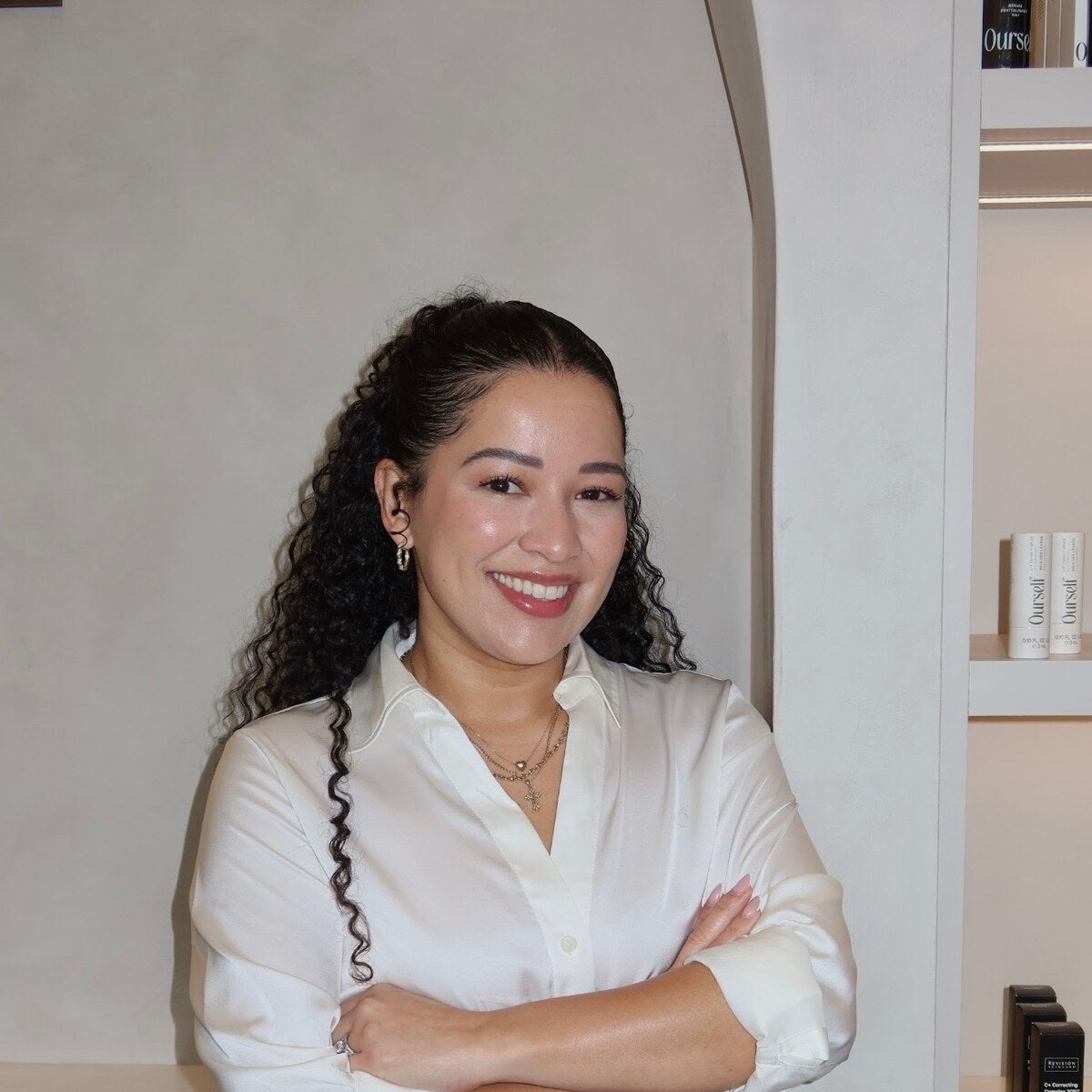
Sharon Williams
Master Injector · Neuromodulators, filler, biostimulators and facial balancingSharon is one of Alcove's master injectors. Your appointment starts with an assessment of your face and your goals, and your plan is built from that conversation rather than from a menu.

Xing Xing Li
Master Injector · Neuromodulators, filler, biostimulators and facial balancingXing Xing is Alcove's master injector. Your appointment starts with an assessment of your face and your goals, and your plan is built from that conversation rather than from a menu.

Shaina Paul
Aesthetician · Facials, peels, microneedling and resurfacingShaina is Alcove's aesthetician. Every treatment starts with a look at your skin and what you want from it, and your plan, including what you use at home, is built from there.
In Office Consultation with Same-Day Treatment FAQs
No, and the appointment should be structured so that declining is straightforward rather than awkward. The honest framing is that you leave with a plan, and treatment happens today if the plan calls for it and you want it. Deciding before you arrive whether you want to be treated — and saying so at the start — is the simplest way to keep it a genuine choice.
Because the most consequential assessment in facial aesthetics requires hands on the tissue. Distinguishing volume loss from skin laxity determines whether filler will help or make things look heavier, and it is established by palpation and skin recoil testing rather than by looking. A provider also cannot feel where previous product still sits, which changes any plan. Video is useful for planning and triage, not for assessment.
A complete list of medications and supplements including over-the-counter ones, your treatment history with approximate dates and areas, and older photographs of yourself if you have them. The photographs are more useful than most people expect — they show what your face actually looked like rather than what either of you remembers.
Then the consultation has done its job, and that is a good outcome rather than a wasted appointment. Frequently the most valuable result is a redirection — that your concern originates elsewhere, that it is laxity rather than volume, or that a previous result should be dissolved before anything is added. None of those are what people expect to hear and all are worth more than being sold something adjacent.
Anything requiring preparation. Resurfacing treatments generally need antiviral medication started in advance; pigment peels often need a period of topical priming; some medical treatments need laboratory work first; and anything requiring clearance from another clinician has to wait for it. Asking when you book prevents a wasted trip.
It can be, for something straightforward, but a deliberate pause before a first treatment is good practice rather than an obstacle. For a large plan, or if you are uncertain, time to think generally produces a better decision. A provider who suggests waiting for those reasons is being careful rather than unhelpful.
It depends entirely on what is done, and this is worth settling before treatment rather than after. Injectables generally mean swelling and possible bruising for several days. Resurfacing can mean a week of visible healing. If you have something coming up, say so at the start of the appointment — it changes what should be done today.
Say so, in as much detail as you can manage — what, where, roughly when, and which products if you know. Filler persists in some sites longer than its marketed duration, and knowing what is already present genuinely changes the plan. Nobody is judging the history; they are trying to assess what is in your face.
Yes, and it is useful — a picture communicates a preference far better than words do. The caveat is that a photograph of someone else shows their anatomy rather than your potential, and a good provider will be honest about the difference. It is a starting point for a conversation rather than a target.
Say so, and expect that to be respected without friction. Consent is ongoing rather than given once at the start, and stopping is always available. A practice that makes this difficult is telling you something important about how it operates.
You should be, and it is the most useful part of a good consultation. Filler does not lift loose skin. Neuromodulators do not improve lines etched at rest. Facials do not reach the dermis. Being told these things plainly prevents the disappointment that comes from a treatment doing exactly what it does and not what you hoped.
Because aesthetic change is gradual and memory is unreliable, and standardized images from fixed angles are the only honest way to assess a result months later. They also protect you by recording what your face actually looked like beforehand. Ask how they are stored and who can see them if that matters to you.
Pairs Well With




Book Your Consultation
A consultation is a conversation about your face, not a sales appointment. Bring your questions about In Office Consultation with Same-Day Treatment and your medical history, and leave with an honest answer about whether it is the right treatment for you.